
Make work visible
Help people establish records of cash income, production and contribution.
Opening film: a child stands among damaged buildings under the title War Zones; the scene moves into a busy produce market where a child walks between stalls under the title Market Days.
We partner with local organisations to turn the work, income and enterprise that continue through crisis into evidence people can use.
People grow and sell food, staff clinics, care for families, support their communities and participate in local programmes without acquiring the records that formal systems expect.
Amanacard Foundation works with local organisations to change that. We help design public-benefit programmes in which real activity—work, income, assistance, participation and delivery—can be safely confirmed and turned into a useful record. The aim is not simply to show that support arrived. It is to ensure that the person at the centre comes away with evidence of what they did, earned, received or contributed.
Help people establish records of cash income, production and contribution.
Record involvement in programmes, services, training and community activity.
Give partners practical tools to manage cases, programmes and evidence safely.
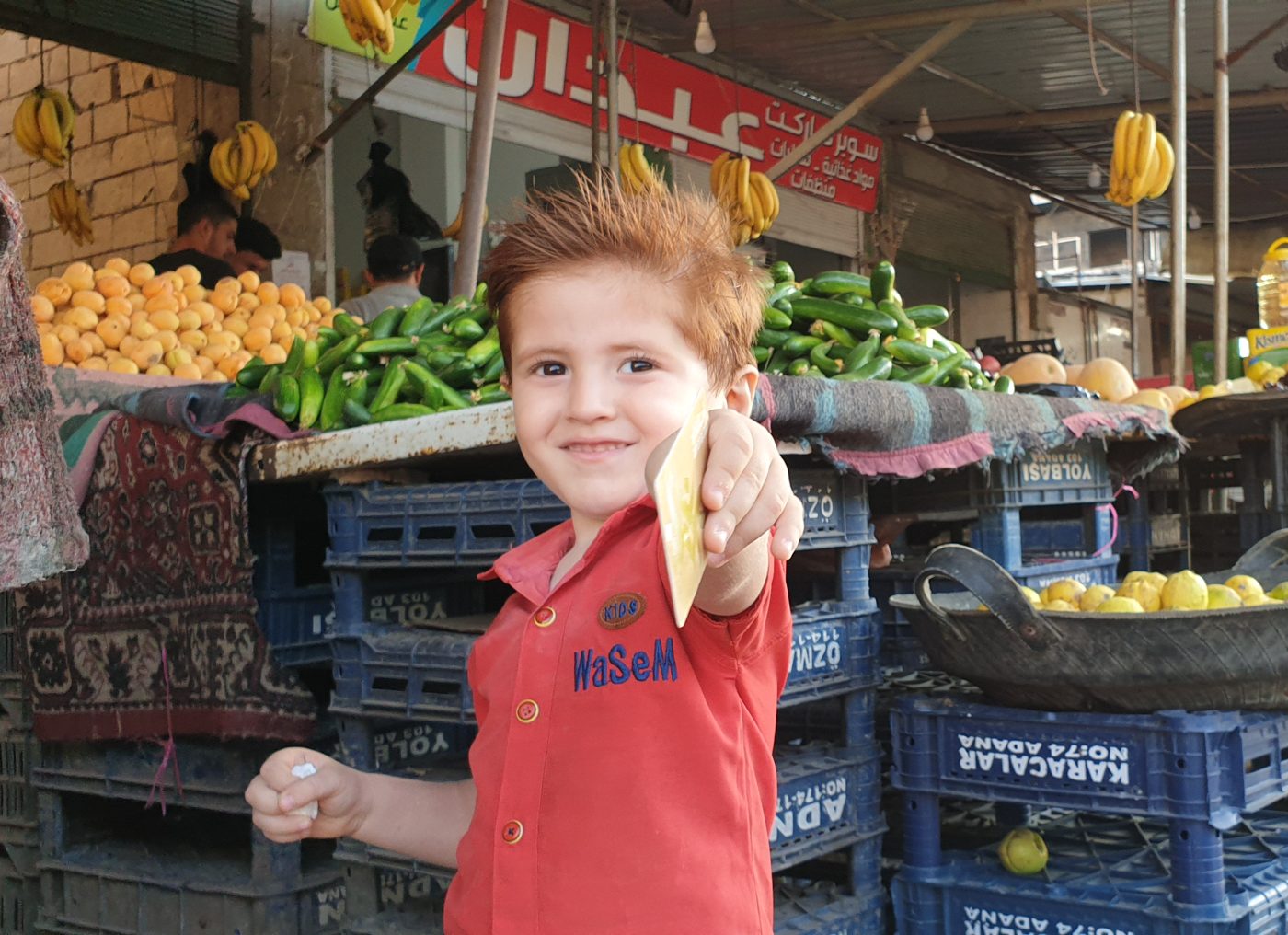
Local partners lead. The Foundation helps design the programme and the record; the people involved confirm what happened; the record returns to them.
Every programme states its stage plainly—exploring, designing, piloting, operating or completed—and reports only outcomes supported by programme records.
Design and delivery of the identity and financial-inclusion workstream within a rural agriculture innovation and learning programme, so that producers can record production, cash sales and participation in formal supply chains.
Through Amana Verified, the Foundation is developing Verified Income Reports for smallholders and merchants: cash earnings that conventional financial records do not capture become a cumulative, individually attributed income history that authorised institutions can assess.
With a national partner working against family violence, low-connectivity case-management tools that let local organisations manage protected cases and confirm authorised support without increasing risk to the people involved.
Registration, approval, fees and attendance for a regional humanitarian event brought into one record—including for delegates from countries that conventional payment systems exclude.
Planning of renewable energy and community infrastructure so that rural health facilities and community services can keep running—and keep records—when the grid cannot.
The model grew from earlier programmes that carried hospitals and teachers through funding gaps. Staff, suppliers and recipients confirmed what they received, creating person-level evidence behind the programme totals.
Programme locations are set out in the governance section and in the Foundation's annual information statements.
A record is only useful if it sits inside how a partner already works—managing cases, registering delegates, enrolling growers. So the tools are built with the partner and maintained for them; two of them are live below.
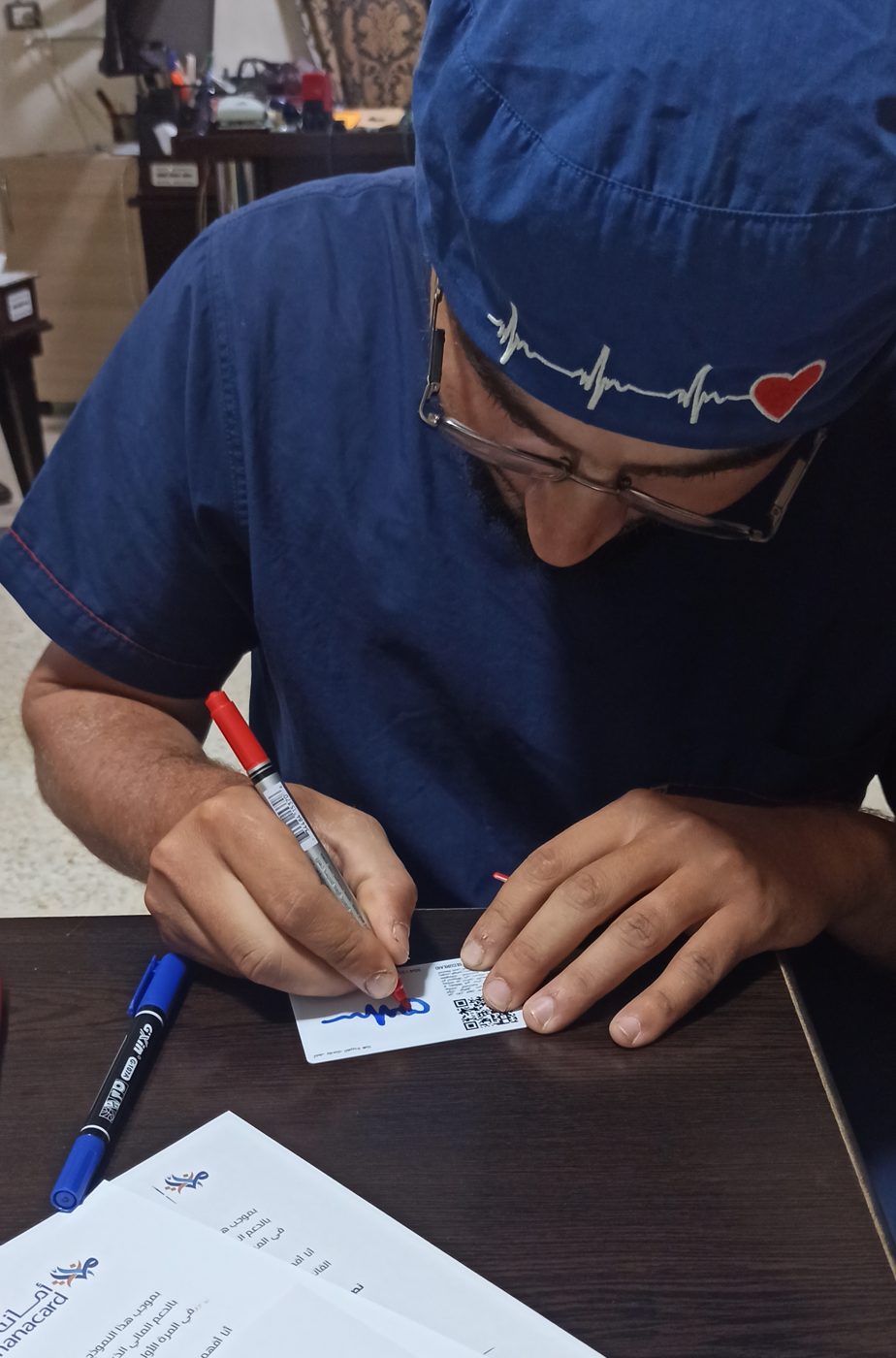
Participants are established once, with their role. Identity is checked through the system at the moment of use rather than printed on the card—so a lost card is worth nothing to anyone else.
A national organisation working against family violence and sorcery-accusation-related violence needed a safe way to manage survivor cases and confirm protective support.
A regional humanitarian organisation hosting the Regional Humanitarian Partnership Week 2026 needed registration, approvals and payments that work for delegates from every country.
The Foundation reports to the Australian charities regulator every year. Outcomes on this site come from programme records, stated with their scope—never as a floating percentage.
Constitution, business and strategic plan, annual information statements, programme documents and the arrangements between the Foundation and the Amanacard group are available to partners, funders, banks, researchers and regulators.
The Foundation carries that principle beyond a gift or payment. A person's work, participation and contribution should return to them as a record they can use.
The Foundation shares a name and a method with the Amanacard group, but has its own charitable purpose, board, accounts and reporting. Here is how it is built.
We work with local organisations, funders, universities, banks and public institutions confronting the same problem: important activity is taking place, but the formal record ends too soon.
Local charities and community organisations wanting to make their members' work and participation count.
Foundations and public-interest funders designing programmes whose outcomes should return to the people at the centre.
Universities, banks and compliance teams reviewing our methods or governance.